Launching a Shopify store is the easy part. Getting a steady stream of customers, converting them, and bringing them back again is where businesses are won or lost. The marketing landscape changes quickly, with new platforms, shifting ad costs, and the rise of AI search, but the fundamentals of attracting and keeping customers have stayed remarkably consistent. This guide shares 12 Shopify marketing strategies that work in 2026, with practical steps you can apply whether you run a new store or a large Shopify Plus brand.
You do not need to do everything at once. Choose two or three strategies that fit your product, audience, and budget, execute them well, and add more as your business grows.
Before You Start: Set Goals and Know Your Numbers
Marketing without measurement is guesswork. Before you spend time or money, define what success means and understand your economics. Calculate your gross margin, your average order value, and the amount you can afford to pay to acquire a customer. Track conversion rate, repeat purchase rate, and customer lifetime value. These numbers tell you which strategies are profitable and which only look busy.
- Revenue goal: how much do you want to sell this quarter and this year?
- Customer acquisition cost target: the most you can pay for a new customer and still earn a profit.
- Conversion rate baseline: your current rate, so improvements are measurable.
- Repeat rate: the share of customers who buy again, which shapes how much you can invest to acquire them.
12 Shopify Marketing Strategies That Work in 2026
1. Build a Strong Shopify SEO Foundation
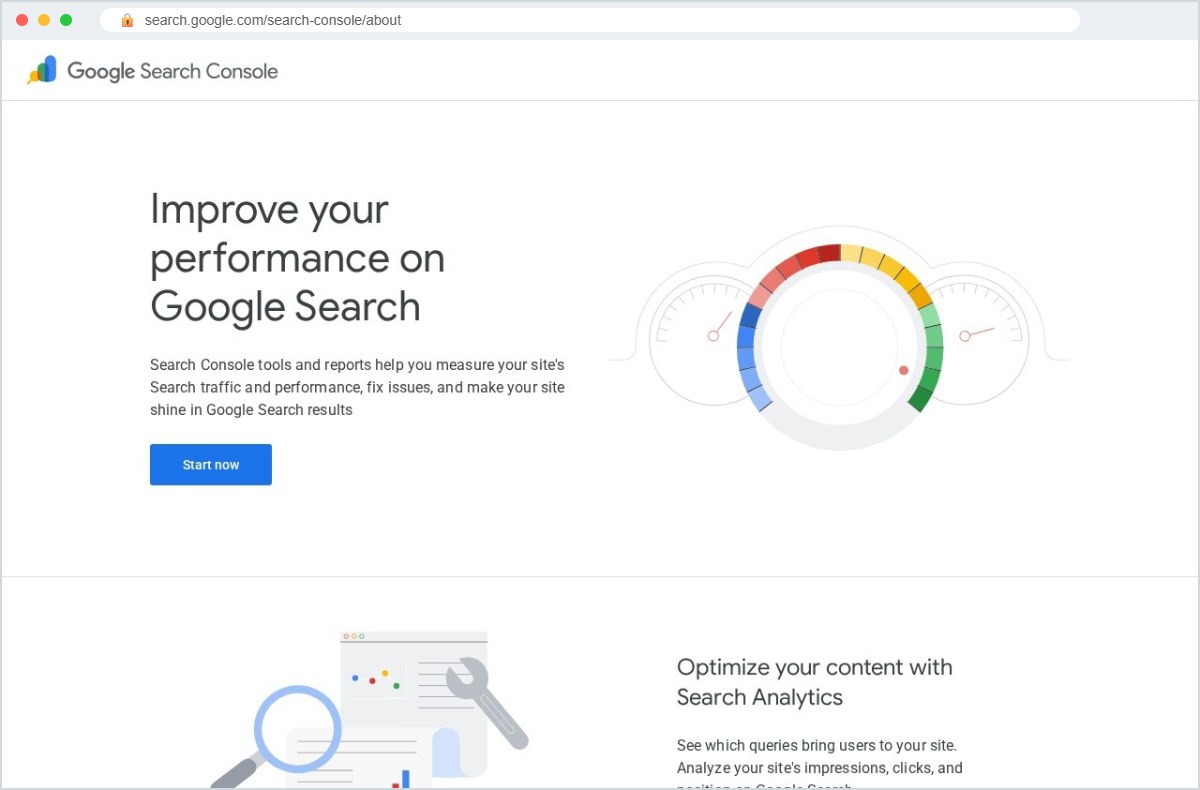
Organic search is the most durable traffic source because it keeps working after you stop paying. Start with technical basics: fast pages, clean URLs, mobile friendly design, structured data, and a logical collection hierarchy. Then write unique product and collection descriptions that match how people actually search, and support them with helpful blog content that answers questions at every stage of the buying journey. Fix duplicate content, optimize images, and build internal links so authority flows to your most important pages. Our Shopify SEO checklist walks through the technical and on page tasks in a practical order. Expect results over months rather than weeks, and track rankings, clicks, and revenue from organic traffic to prove the return.
2. Optimize for AI Search and Answer Engines
Shoppers increasingly ask AI assistants and answer engines what to buy. To appear in those answers, your store needs clear, structured, trustworthy information: complete product data, accurate schema markup, helpful comparison content, and reviews that confirm quality. Write pages that answer specific questions directly, and keep facts consistent across your site and listings. Our guide to Shopify AEO and getting products recommended by AI search explains the practical steps. This is still an emerging channel, so treat it as a smart long term investment alongside traditional SEO.
3. Master Lifecycle Email Marketing
Email consistently delivers some of the highest returns in ecommerce because you own the audience. Build automated flows first: a welcome series, browse and cart abandonment, post purchase education, review requests, and win back messages. Then add campaigns for launches, sales, and content. Segment by behavior and purchase history so messages feel relevant. Keep lists healthy by removing inactive subscribers and monitoring deliverability. Our Shopify email marketing guide covers the flows that drive repeat sales and how to set them up.
4. Recover Abandoned Carts and Checkouts
A large share of shoppers add products and leave. Recovery is one of the fastest ways to raise revenue without buying more traffic. Send a timely reminder by email and, where permitted, by SMS. Include the product image, a clear call to return, and an answer to common objections such as shipping and returns. Test timing, subject lines, and incentives, and avoid training customers to wait for discounts. For specific sequences and examples, read our article on Shopify abandoned cart recovery strategies.
5. Invest in Conversion Rate Optimization
Traffic is expensive, so converting more of it is a smart move. Review your funnel to find where visitors drop off, then fix the biggest leaks first. Improve product page clarity, add social proof, show shipping and return information early, simplify checkout, and speed up the site. Test one change at a time and measure the effect on revenue per visitor, not just clicks. Our list of 15 proven Shopify conversion rate optimization tactics gives you a ready set of ideas to test.
6. Use Paid Social and Search Wisely
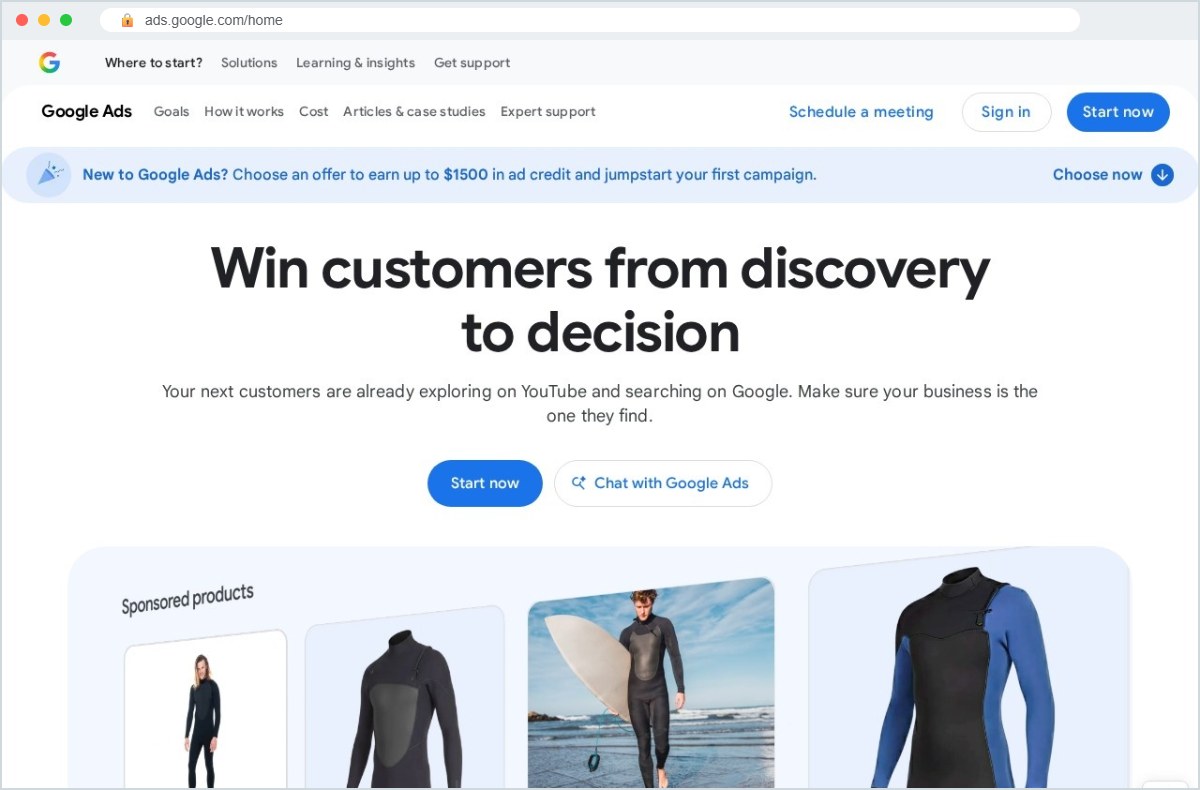
Paid advertising can scale quickly, but it punishes weak offers and poor tracking. Start with a small budget, test creative and audiences, and measure results by profit rather than by clicks. Search ads capture people who are already looking, while paid social creates demand and retargets visitors. Use fresh creative regularly, because ad fatigue is real. Set clear targets for customer acquisition cost based on your margins and lifetime value, and cut campaigns that cannot reach them after a fair test.
7. Create Short Form Video Content
Short videos on social platforms are a powerful way to show products in use, tell your brand story, and reach new audiences cheaply. Demonstrations, behind the scenes clips, customer stories, and quick tips often perform best. Post consistently, study what resonates, and reuse the best clips in ads and on product pages. You do not need a studio. Authentic, clear videos made with a phone often beat polished productions, as long as the product and message are easy to understand.
8. Work With Creators and Affiliates
Creators bring trust and attention that ads often cannot. Start with micro creators whose audiences match your customers, send products, and provide clear briefs without scripting every word. Use trackable links or codes to measure results, and build long term relationships with those who perform. An affiliate program adds a performance based channel where you pay only for sales. Be transparent and follow disclosure rules, because honesty protects both the creator and your brand.
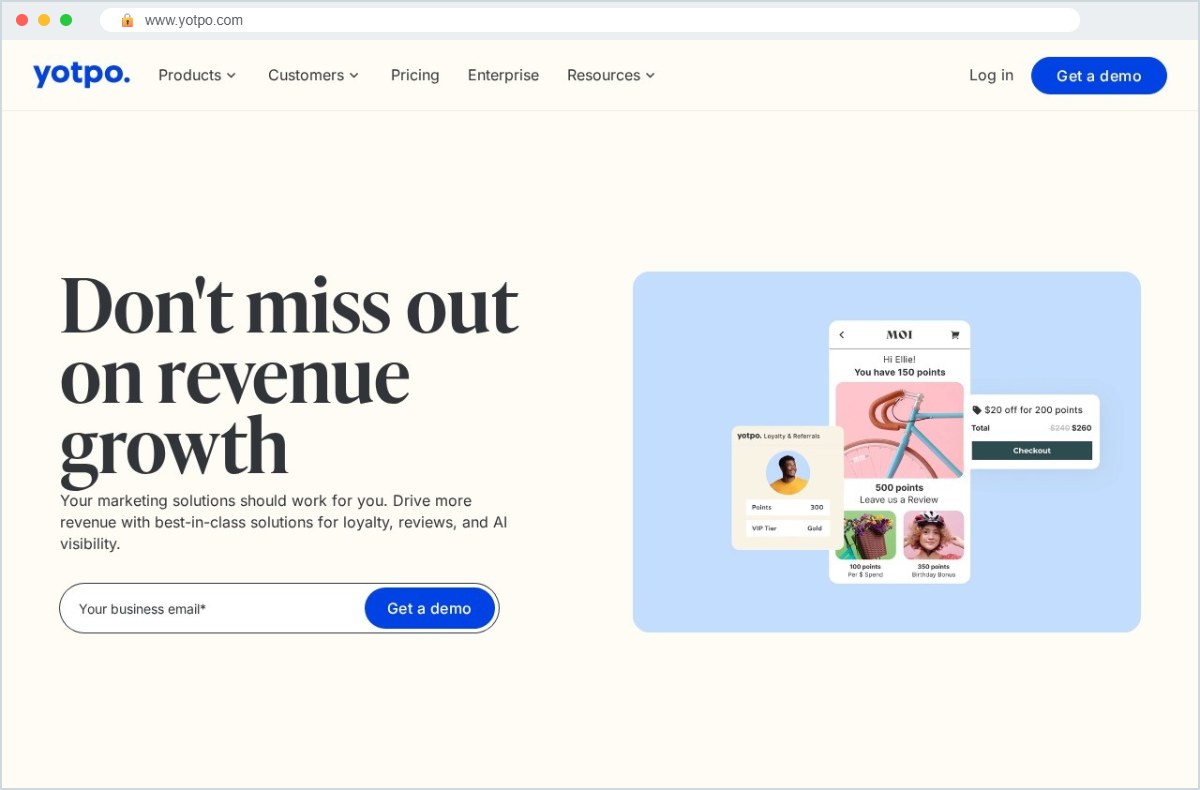
9. Build a Loyalty and Referral Program
Keeping a customer costs far less than acquiring a new one. Reward repeat purchases, reviews, and referrals with points, tiers, or exclusive access. Make the program simple to understand and visible on your store, in emails, and in the customer account. Referral programs turn happy customers into a growth channel, but set rules that protect margin. Measure repeat purchase rate and customer lifetime value to confirm the program pays for itself.
10. Collect and Showcase Social Proof
Reviews, ratings, photos, and testimonials reduce doubt and lift conversion. Ask for reviews through post purchase emails, make leaving one easy, and respond to feedback, including criticism. Show reviews on product pages, collection pages, and ads. User generated photos are especially persuasive because they show real products in real settings. Keep reviews authentic, since inflated or fake content damages trust and can break advertising and consumer rules.
11. Use Bundles, Upsells, and Smart Offers
Raising average order value is often cheaper than raising traffic. Offer bundles that make sense together, suggest complementary products in the cart, and set a free shipping threshold slightly above your average order. Subscription options for consumables add recurring revenue. Test offers to find the ones that increase profit rather than just revenue, and avoid overwhelming customers with too many prompts at once.
12. Grow Your Own Audience With SMS and Community
Social reach can change overnight, so build channels you control. SMS, private communities, and loyalty clubs create direct relationships with your best customers. Share early access, behind the scenes content, and helpful advice, not only promotions. A community also provides valuable feedback for product development. Respect consent and frequency limits so these channels stay welcome.
13. Use Data to Decide What to Do Next
Marketing improves when decisions rely on evidence. Set up analytics that track traffic sources, conversion, average order value, repeat rate, and profit by channel. Review a simple dashboard weekly and run a deeper analysis monthly. Look for patterns, such as which products bring the best customers and which channels attract one time buyers. Use those insights to put money into what works and stop what does not.
How to Choose the Right Mix for Your Store
The best marketing mix depends on your stage, budget, and product. Use this guide to decide where to focus.
- New store with little budget: prioritize SEO foundations, short form video, email capture, and creator outreach.
- Growing store with proven product: add paid ads, lifecycle email, abandoned cart recovery, and conversion testing.
- Established brand: invest in loyalty, referrals, personalization, community, and advanced analytics.
Whatever your stage, keep a balance between channels that bring new customers and channels that increase the value of existing ones. A business that relies on a single channel is fragile, because any change in cost or policy can hurt it overnight.
A Simple 90 Day Marketing Plan
A plan makes the strategies above manageable. Here is a straightforward structure you can adapt.
- Days one to thirty: fix the foundation. Improve site speed, product pages, and tracking. Set up core email flows and review collection. Publish your first pieces of search focused content.
- Days thirty to sixty: add acquisition. Launch a small paid test, begin creator outreach, and post short videos consistently. Start a cart recovery sequence if you have not already.
- Days sixty to ninety: improve retention and efficiency. Launch a loyalty or referral program, test offers and bundles, and review analytics to shift budget to the best performing channels.
At the end of ninety days, review results with your team, keep what works, and plan the next cycle. Marketing is a loop of testing, learning, and improving, not a one time project.
Common Shopify Marketing Mistakes
- Chasing every new platform: spreading effort too thin prevents mastery of any channel.
- Relying on discounts: constant sales train customers to wait and erode margin.
- Ignoring site speed and mobile experience: great ads cannot rescue a slow or confusing store.
- Neglecting existing customers: repeat buyers are your cheapest source of revenue.
- Poor tracking: without accurate data, you cannot tell which efforts pay off.
- Inconsistent branding: mixed messages across channels confuse customers and weaken trust.
- Giving up too early: SEO, content, and brand building take time to compound.
Shopify Marketing FAQs
What is the best marketing strategy for a new Shopify store?
Focus on channels with low cost and strong learning value: SEO foundations, short form video, email capture, and creator partnerships. Add paid ads once you have a product and offer that convert.
How much should I spend on marketing?
It varies, but many stores invest a meaningful share of revenue in marketing while they grow. The key is to track return and keep customer acquisition cost below what your margins and lifetime value can support.
How long does it take to see results?
Paid ads and email can show results quickly. SEO and content typically take several months. Brand building and community compound over years.
Do I need an agency?
Not at first. Many founders handle early marketing themselves. As complexity and spend grow, an agency or specialist can add expertise and save time, provided you can measure their impact.
Which metrics matter most?
Conversion rate, average order value, customer acquisition cost, repeat purchase rate, and customer lifetime value give the clearest view of marketing health.
Marketing Budget Allocation: A Practical Starting Point
Deciding where to put money is one of the hardest parts of marketing. A simple framework can help. Divide your budget into three buckets: foundation, acquisition, and retention. Foundation covers the assets that make every other channel work better, including site speed, product page quality, tracking, content, and email flows. Acquisition covers paid ads, creator partnerships, and promotions that bring new people to the store. Retention covers loyalty, referrals, lifecycle messaging, and customer service.
Early stage stores often put more into foundation and acquisition, because there is little to retain yet. As the customer base grows, shift more toward retention, which usually offers the best return per dollar. Review the split every quarter. If acquisition cost is rising, strengthen conversion and retention before pushing spend higher. If repeat rate is low, find out why through reviews, support tickets, and surveys before launching another expensive campaign.
Marketing Tools That Make Execution Easier
You do not need dozens of tools, but a few categories pay off quickly. An email and SMS platform handles lifecycle messaging. A reviews tool collects social proof. An analytics setup gives you a trustworthy view of traffic, conversion, and revenue. A simple project board keeps campaigns, content, and tests organized so that nothing falls through the cracks. Choose tools that integrate with Shopify and with each other, and make sure someone owns each one. The goal is not to collect software, but to make the weekly work of marketing faster and more reliable.
Building a Content Engine That Supports Every Channel
Content is the raw material for almost every strategy on this list. A single product shoot can feed product pages, ads, emails, and social posts. A single customer interview can become a testimonial, a blog article, a short video, and a script for a creator brief. Plan content in batches. Once a month, capture photos and video, collect customer stories, and write the key pages and posts you need. Then repurpose each asset across channels with small changes in format and message.
Keep a library organized by product, theme, and format so your team can find what it needs quickly. Include captions, alt text, and usage notes. Over time this library saves hours every week, keeps your branding consistent, and makes it easy to test new ideas without starting from scratch each time.
Seasonal and Event Marketing Calendar
Predictable moments in the year create predictable demand, so plan campaigns around them. Map out major shopping periods such as the new year, spring and summer seasons, back to school, and the holiday gifting season, along with events that matter to your category, like marathon season for running gear or wedding season for jewelry. For each moment, decide the offer, the creative, the channels, and the deadlines, working backward from the date you want to peak.
Start preparation early. Content and ads need production time, creators need lead time, and email lists need warming before a big sale. Schedule launches in advance, test your checkout and inventory a week before, and prepare support for higher volume. After each event, run a short review that compares results with your goals and records what to repeat or change next year. Over several cycles, this calendar becomes one of your most valuable marketing assets, because it turns scattered campaigns into a reliable annual rhythm.
Reporting Marketing Results to Your Team
Clear reporting keeps everyone aligned and makes budget conversations easier. Build a one page weekly summary that shows traffic, conversion rate, revenue, average order value, and the performance of each main channel, along with notes about what changed and what you plan to test next. Add a monthly view that includes customer acquisition cost, repeat rate, and profit by channel. Share it with founders, finance, and the creative team, and keep the format consistent so trends are easy to spot. Reports that tell a short story, rather than listing every metric, lead to better decisions and faster action.
Final Thoughts
Strong Shopify marketing combines attracting the right people, converting them well, and giving them reasons to return. Start with the foundations, choose a small number of channels, measure everything, and improve steadily. With patience and discipline, the strategies above can turn a good store into a growing brand.